Col. Michael Corcoran's 69th New York State Militia
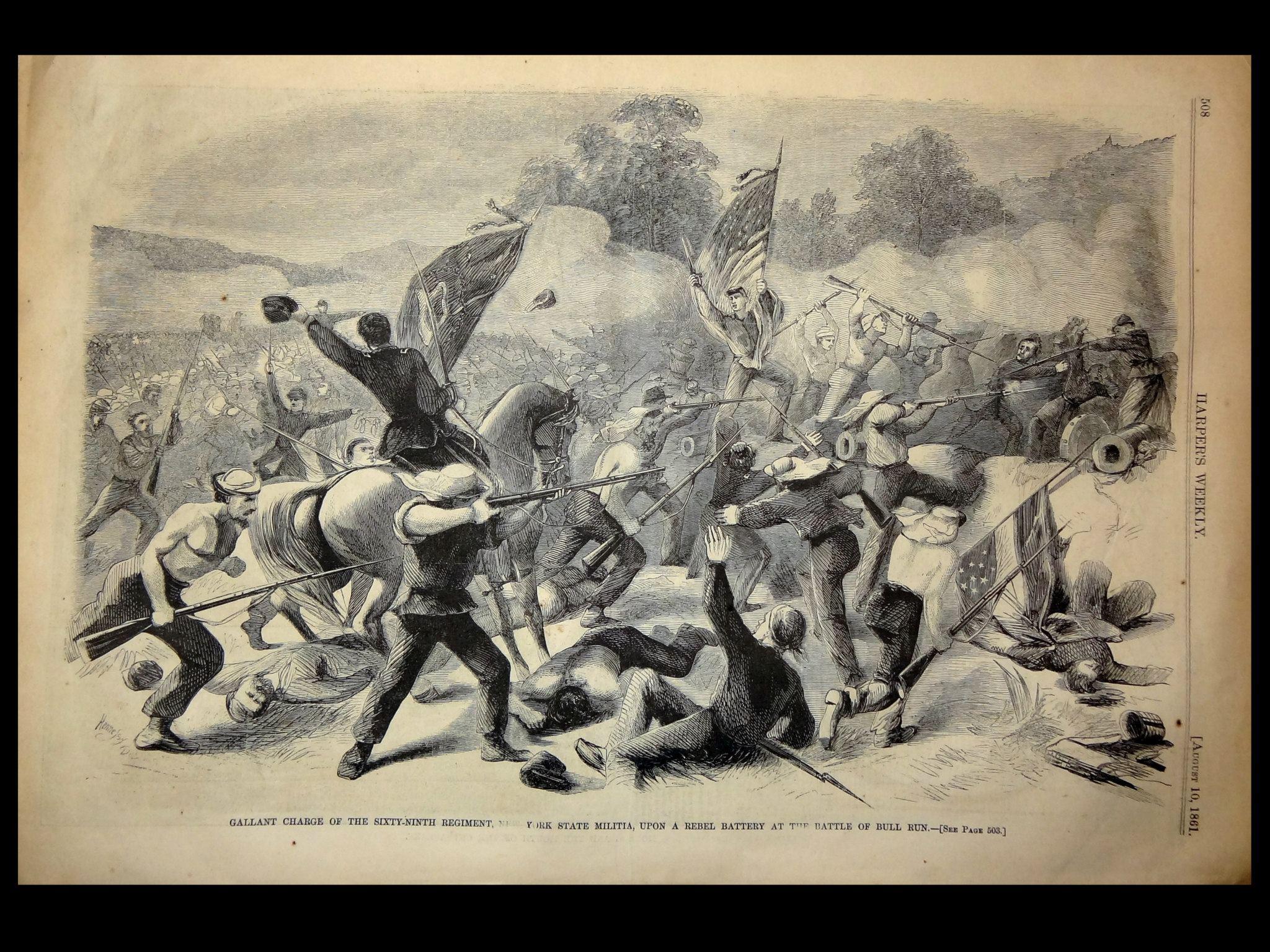
The Irish Sixty-ninth, a pre-war militia regiment, played a crucial role in the Battle of Bull Run on July 21, 1861. Under the command of Col. Michael Corcoran, the regiment exhibited remarkable bravery and discipline, emerging as a notable unit in a battle that resulted in a Union defeat.
The Battle of Bull Run, July 21, 1861
During the chaotic combat of Bull Run, Major Thomas Francis Meagher inspired his men by evoking the Battle of Fontenoy and the shared heritage of Irish courage. Even after their commander was captured, the 69th held their ground, retreating in good order amid a panicked Union army.
Currier and Ives Print, 1860's
A popular illustration of the era, the Currier and Ives print depicted scenes from the Civil War, capturing the bravery of the Irish Brigade and cementing its legend within American history.
The Establishment of the 'Wild Geese'
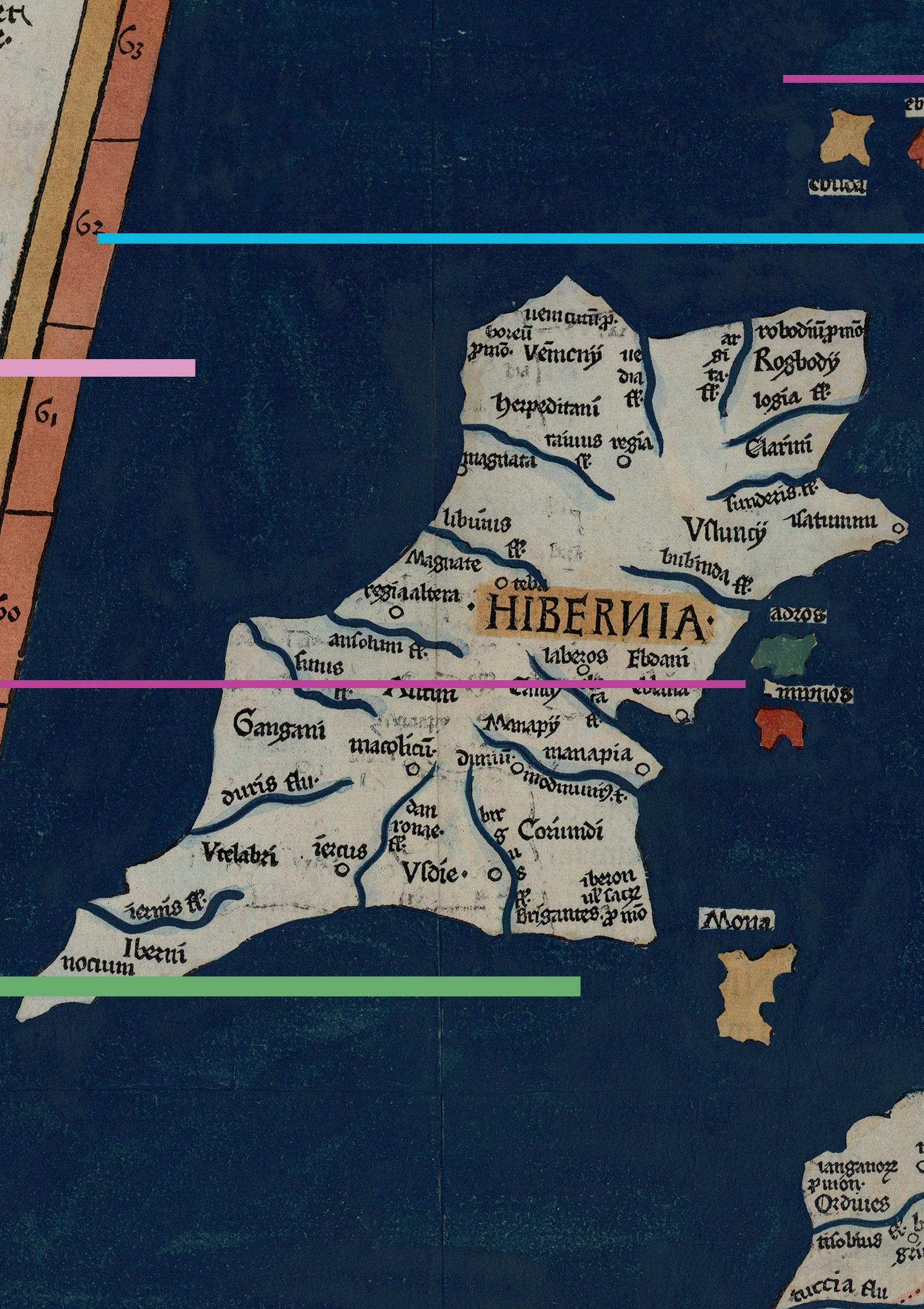
The Irish soldiers' history began long before Bull Run. With the arrival of James II on the English throne in 1685, significant changes in Ireland's military structure ensued, leading to a new cadre of Irish Catholic soldiers. These soldiers would later become known as the 'Wild Geese', fighting for France after their disbandment in the wake of William of Orange's successes.
Formation of the Irish Brigade in the French Service
Disbanded Irish soldiers, under the leadership of Patrick Sarsfield, were allowed to keep their arms and colors, joining the French service as the Irish Brigade. Winning respect and glory in Europe, they remained an indelible force until the brigade's dissolution in 1791.
The Legacy of the Irish Brigade in the American Civil War
Following the footsteps of their valorous predecessors, the Irish Brigade was resurrected during the American Civil War. Meagher, promoted to brigadier-general, fashioned the brigade as an elite force, drawing inspiration from the historic Irish fighters who served France with distinction.
Enduring Valor and the Sacrifice at Fredericksburg
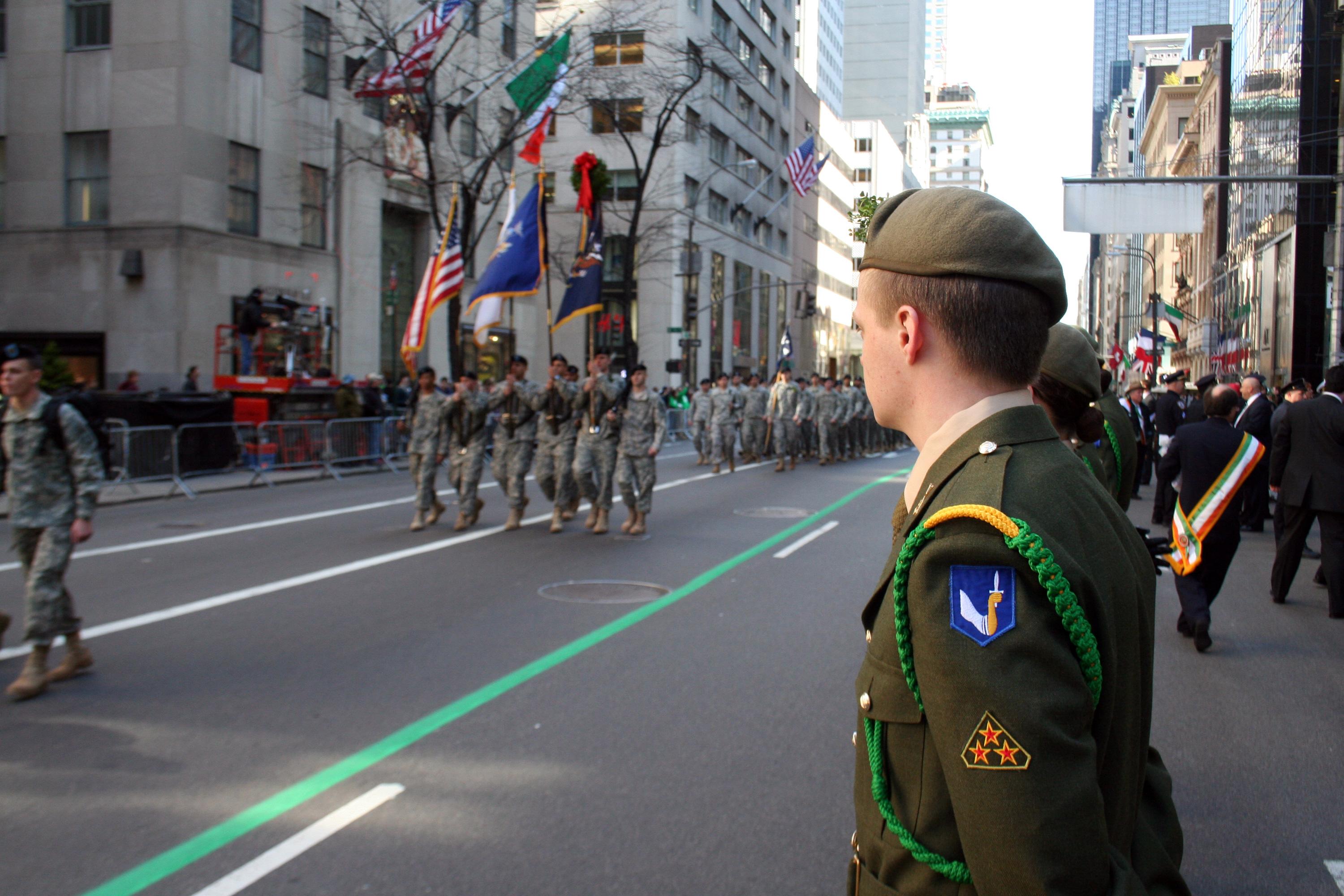
Throughout the Civil War, the Irish Brigade proved its mettle in several crucial battles. At Fredericksburg, despite heavy casualties, their valorous effort was recognized by allies and adversaries alike, embodying the undying spirit of Irish soldiers.
The Conclusion of the Irish Brigade's Service
With the decline of the Civil War, the Irish Brigade, led by Colonel Robert Nugent, continued to exemplify courage. In the final Grand Review in Washington, they marched with pride, their service a testament to the dedication and bravery of Irish-American soldiers.
Remembering the Irish Brigade
The Irish Brigade's legacy continues to live on, a symbol of the fierce spirit and valor of the Irish diaspora that fought for freedom and justice in their adopted homeland. Their story serves as a stirring chapter in the annals of military history.