In an era where sustainable development has become a global imperative, the need to foster collaboration across various scientific disciplines and stakeholders has never been more critical. The Sustainable Development Goals (SDGs) set by the United Nations serve as a compass to guide the world towards a common goal: the assurance of a sustainable and equitable future for all. Addressing issues such as climate change, resource management, and environmental conservation requires a holistic and integrated approach that the scientific community is urgently working to cultivate.
Understanding the Intersection of Soil Science and Sustainable Development
The urgency of sustainable soil management is often underestimated despite being foundational to several SDGs, including zero hunger (SDG 2), clean water and sanitation (SDG 6), responsible consumption and production (SDG 12), and life on land (SDG 15), among others. Soil scientists, now more than ever, are pivotal players in the global effort to tackle the environmental challenges that threaten food security, water quality, and biodiversity.
The Crucial Role of Interdisciplinary Research

Interdisciplinary research is key in developing innovative solutions to complex sustainability challenges. By integrating knowledge from fields such as biology, chemistry, physics, environmental science, and social sciences, researchers can better understand the multifaceted nature of these problems and devise more effective interventions.
Expanding the Circle: Engaging Stakeholders in Sustainable Soil Management
You cannot work in isolation and expect to make significant strides towards achieving the SDGs. Collaboration with non-scientific stakeholders – farmers, policymakers, businesses, and the general public – is essential. Only through active participation and knowledge exchange can we ensure that scientific advancements translate into real-world applications that lead to positive change.
Case Study Highlights and Initiatives

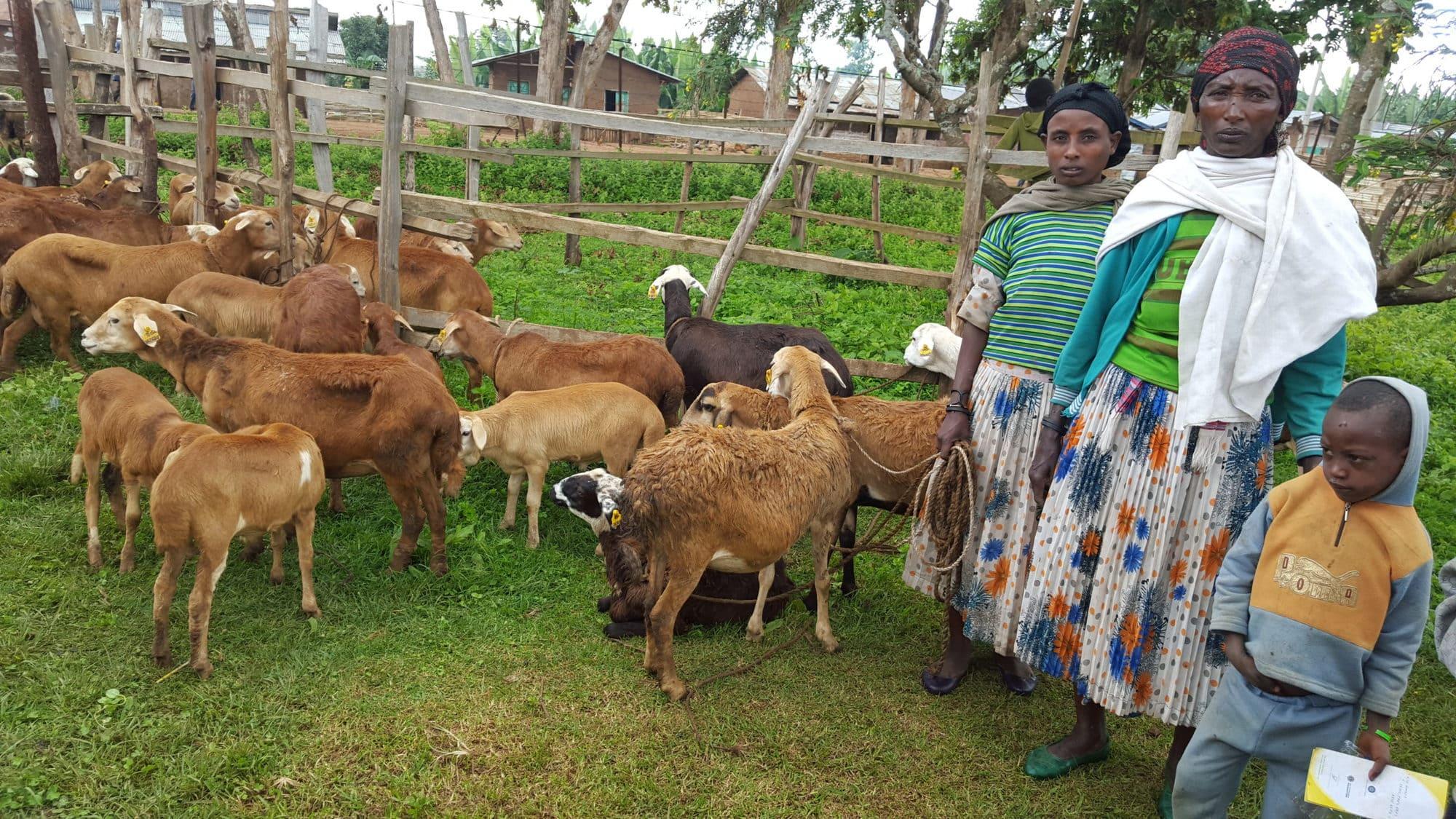
Several initiatives have demonstrated the power of interdisciplinary collaboration and stakeholder engagement. For example, community-based programs focused on sustainable farming techniques have shown that when local knowledge is coupled with scientific expertise, it paves the way for innovative agricultural practices that benefit both the environment and the livelihoods of farmers. Moreover, policy-informing research that includes stakeholder perspectives helps in crafting more effective and comprehensive legislation.
Leveraging Conferences and Collectives for Progress
International conferences like Eurosoil and forums such as the Swiss Academy of Sciences provide vital platforms where scientists and stakeholders can converge to share knowledge, brainstorm solutions, and forge partnerships. These gatherings are crucial for stimulating the interdisciplinary dialogue needed to accelerate progress toward the SDGs.
Advancing Towards a Sustainable Future
As we move forward, the scientific community must continue to expand its reach and refine its collaborative efforts. It is only through a concerted and unified approach that we will address the systemic complexities of environmental conservation and truly advance the SDG agenda. Embracing interdisciplinary methods and fostering stakeholder involvement are not just beneficial strategies—they are non-negotiable requirements for a sustainable future. With the combined force of informed citizens and experts from diverse fields, the path towards a balanced and flourishing planet becomes clearer.
Conclusion: Unity in Diversity for a Sustainable Tomorrow
The journey to achieving the Sustainable Development Goals is not a solitary one. The active engagement of diverse scientific disciplines and the integration of stakeholder input are pivotal pieces of this intricate puzzle. Emphasizing the importance of soil health as a starting point, we get a glimpse of how specialized scientific knowledge intersects with broader sustainable practices. It's a robust synergy between science and society that will carve the path to a sustainable and inclusive world.